
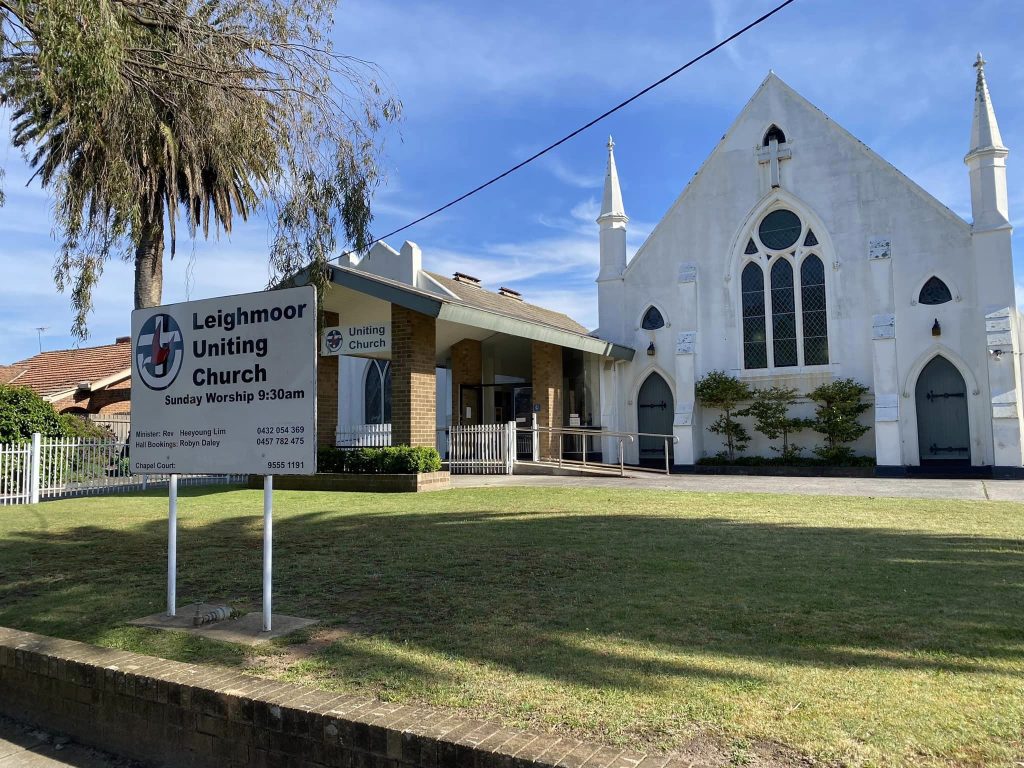
The Christian Check list
The Christian Check list: Col 3. Matthew 5: 21 – 42; Colossians 3: 1 – 17 Check lists are important and helpful. It saves us trying to remember everything. We turn to them to check what is the next thing to do. I use them a lot. I use old envelopes with my checklist of things to do. I use a prayer list in my devotional books. Pilots have a checklist to see if everything has been attended to. Checklists can be like a set of guidelines to ensure that we have covered everything or whether we are meeting the safety standards required. Now we may think we don’t need a checklist in our faith practice, but we do. Paul provides us with a checklist and also provides us with the pastoral and theological reasons for the checklist. There is a great danger in thinking we don’t need to check our practice. It is so easy to get into a pattern and think that the pattern is enough. We have patterns in the church. We take them for granted seldom reflecting on them. We had that pattern of Sunday school, Confirmation Class and the Confirmation service. We dressed up. It was a big thing. It was like a graduation. In fact many treated it like that. We were full members and we didn’t need to go to Sunday school any more. What next? Things changed. Some of us got involved and more of us got less involved and less committed. We were all wrong about Confirmation. It wasn’t a graduation. It was the beginning of being an adult Christian. Confirmation meant we stopped being a Christian-child. Now the Christian life is filled with dangers as Paul points out to the Colossian Christians. Those dangers include challenges and compromises. Being a Christian might put us in a position of persecution. Or we could let our culture and our interests distract us and compromise our faith. Losing our living relationship with Christ can be as simple as just falling into a series of Christian habits. We’re comfortable and we just go a long with the flow. In the process we don’t grow and increasingly miss the point of the Faith. Paul knows that we can miss the point and miss out on God’s transforming and healing love. Paul cares and Paul provides us with a checklist. Paul began his letter to the Christians at Colossae commending them in their new faith that was evidenced by their love for each other. Their faith and love was grounded in their hope of God’s future. God’s future helps us live life today. Brian Wren’s song, There’s Spirit in the Air, expresses the same thoughts in the line living tomorrow’s life today. God’s future shows how to live today. That’s why we pray the Lord’s Prayer saying, your kingdom come, your will be done on earth as it is in heaven. Paul encourages the Colossians to keep their focus on Jesus. He reminds them who Jesus is. Jesus is the head of the Church, the Lord of Life and Jesus embodies the presence of God as no other person does. So Paul says what John’s Gospel says; In the beginning was the Word (that’s Jesus), and the Word was with God, and the Word was God. He was in the beginning with God. All things came into being through him, and without him not one thing came into being. [John 1: 1-3] That’s what Paul says. Jesus is the co-creator, the Redeemer of the world and he is overall. Not only is Jesus over all life, Jesus holds this world together. [Col 1: 15-20] Remember last week I said that ’you’re going where you’re looking’. If we’re looking to God that’s where we’re going. Paul’s checklist in chapter 3 has three instructions and Godly reasoning. He writes; ‘You must put to death earthly desires such as sexual immorality, indecency, lust, evil passions and greed … ‘. [3:5] Then he says we must get rid of all such things—anger, wrath, malice, slander, and abusive language from your mouth. [3:8] Finally he says they must clothe themselves with compassion, kindness, humility, meekness and patience. [3: 12] Paul has mentioned 5 vices, 5 emotional responses and added 5 virtues of the faith. Consider these lists and see their relevance to us today. We live in a world today where the notion of sexual chastity is basically excluded from our thinking. In the Roman world the common view was that sexual desires should be satisfied. Some religions deliberately included the sexual act in aspects of worship providing temple prostitutes. Certainly it was generally accepted that sexual desires should be placated. In contrast the Jews’ and Christ Jesus followers practised chastity for both male and female. The 5 vices speak of a self-centred life. These vices are often satisfied at the expense of others. A snap shot of our media, films, entertainment all point to meeting our desires and self-interest. Sexual practice is openly accepted and seems to form a necessary part of any supposedly good book and film. We shamelessly denigrate people. Our politicians turn it into an art form. Our commercial world is largely motivated by personal gain and greed. Our education system unwittingly supports this with the emphasis upon ‘our rights’ at the expense of ‘our responsibilities’. The Church is not excluded. It has supported our culture’s individualism by individualising salvation. The church presents the salvation of God as a personal thing when the bible clearly sees salvation as a communal thing. To be God’s follower requires us to be involved with others in praise and love – in community and service. It is no wonder that to curb this self-interested pursuit our politicians have enacted laws that limit the amount of slander and vilification we may make against others. Yet there aresignificant people who want a freedom to say what they like. The Christian response contrasts with the world’s. Sexuality is to be enjoyed in the
The Christian Check list Read More »